
Making Neapolitan pizza dough is not just cooking; it’s an experience, a beautiful dance of simplicity and flavor. Picture this: the warm aroma of yeast bubbling in a cozy kitchen, the rich texture of flour as it slips through your fingers, and the delightful transformation of simple ingredients into a crust that captures Italy’s culinary spirit. I’ll let you in on my secrets to achieving that puffy, slightly charred crust that’s all the rage in pizzerias but can be mastered right in your own kitchen.
Why You’ll Love This Recipe
What makes Neapolitan pizza dough so special? It’s all about the quality of the ingredients and the care you put into each step. This dough elevates your pizzas to a whole new level, creating a chewy yet airy crust that holds up beautifully under all that delicious sauce and toppings. Using Caputo 00 flour—considered the gold standard—gives you that perfect elasticity and flavor.
Imagine biting into a slice where the crust is perfectly blistered and slightly charred, providing a satisfying crunch, followed by a tender inside that melts in your mouth. And the beauty of this recipe lies not only in its simplicity but also in its versatility. You have the freedom to be as traditional or as adventurous as you like with your toppings. Whether you stick with the classic Margherita or pile it high with your favorite ingredients, this dough will not let you down. Ready to impress your friends and family?
Gather These Ingredients
To create this masterpiece, you’ll need just a handful of key ingredients:
500g (4 cups) Caputo 00 Flour: This fine, high-quality flour is what gives Neapolitan pizza its signature texture. If Caputo isn’t available, look for other high-protein 00 flours.
325g (1 1/3 cups) lukewarm water (80-85°F): Temperature is everything here! Too hot can kill the yeast, and too cold slows it down—aim for that sweet spot.
10g (2 teaspoons) fine sea salt: This enhances the flavor of your dough, so don’t skimp on it. You can experiment with different salts, but keep it fine for better integration.
1g (approx. 1/4 teaspoon) active dry yeast: Yeast is the magic that makes your dough rise. Freshness is key here—check the expiration date!
5g (1 teaspoon) honey: A little sweetness helps to activate the yeast beautifully, contributing to that lovely crust color.
Step-by-Step Instructions Overview
Let’s dive into the nitty-gritty of crafting your dough—don’t worry, I’ll guide you through each step like a trusted sous chef.
Activate the Yeast: In a large mixing bowl, mix the lukewarm water with honey until dissolved. Sprinkle the yeast over the top. Let it rest for about 5-10 minutes until it’s foamy—this means your yeast is alive and kicking!
Add the Flour: Gradually stir in about half of the flour. Use your hands or a dough whisk to mix until a shaggy dough forms. Feel free to get your hands messy; it’s worth it!
Incorporate the Salt: Mix the salt with the remaining flour, then add this mixture slowly to your dough. Combine everything until a rough dough starts to form.
Knead the Dough: Now for some elbow grease! If you’re using a stand mixer, attach the dough hook and knead on low for 8-10 minutes. If you prefer hands-on, turn the dough onto a floured surface and knead for 15-20 minutes until smooth, elastic, and slightly tacky.
First Rise (Bulk Fermentation): Lightly oil the mixing bowl. Place your dough ball inside, coating it with oil, and cover it tightly with plastic wrap. Let it rise at room temperature for 2 hours, until it’s about doubled in size. For that extra flavor, place it in the refrigerator for 24 to 48 hours for a cold fermentation.
Divide and Shape: Gently turn out the dough on a floured surface. Divide it into 4 equal pieces (each about 250-280g) and shape each into a smooth ball.
Second Rise (Proofing): Place the balls on a floured surface or in individual airtight containers, leaving space between them. Cover loosely with plastic wrap or a damp towel. Allow them to rise at room temperature for another 2-4 hours until puffy and airy.
Time to Make Pizza: Finally, you’re ready to shape your dough into perfect pizzas. Add your favorite toppings and bake at high heat—around 900°F if you’re feeling fancy—with a pizza stone if you have one!
Best Way to Enjoy It
Now that your dough is prepped, how do you transform that into the ultimate pizza experience? Start with a simple but classic Margherita—just crushed San Marzano tomatoes, fresh basil, and buffalo mozzarella. Drizzle with a bit of high-quality olive oil before popping it in the oven. For a more adventurous take, try a prosciutto and arugula topping after baking, or add seasonal veggies for a burst of color and flavor. Pair your pie with a crisp salad or a side of garlic knots, and you’ve got a feast that brings everyone to the table!
Keeping Leftovers Fresh
If you find yourself with leftover dough, don’t panic! Store any unused dough in an airtight container in the fridge for up to a week. You can also freeze it by wrapping it tightly in plastic wrap and placing it in a freezer bag. For the best results, let frozen dough thaw in the fridge overnight before you’re ready to use it again.
Tips for a Successful Recipe
Use Quality Flour: The type of flour can make or break your pizza dough. Always go for high-protein 00 flour for that authentic Italian crust.
Kneading is Key: Don’t rush this process; well-kneaded dough leads to great texture. You’ll know it’s ready when it’s smooth and elastic.
Temperature Matters: Monitor the temperature of your water and the room during rises—it affects yeast activity and dough performance.
Experiment: Don’t hesitate to mix things up! Add herbs or spices to your dough for a unique flavor twist.
Creative Twists
Feeling adventurous? Try adding whole wheat flour for a nuttier flavor or incorporate herbs like oregano or rosemary directly into the dough. You can also experiment with sweet toppings like figs and goat cheese or go all out with a dessert pizza topped with Nutella and fresh strawberries. The possibilities are as limitless as your cravings!
Ingredients List
- 500g (4 cups) Caputo 00 flour, plus extra for dusting
- 325g (1 1/3 cups) lukewarm water (about 80-85°F / 27-29°C)
- 10g (2 teaspoons) fine sea salt
- 1g (approx. 1/4 teaspoon) active dry yeast
- 5g (1 teaspoon) honey
Directions to Follow
- In a large mixing bowl, combine lukewarm water and honey. Stir until honey dissolves. Sprinkle yeast over the top. Let sit for 5-10 minutes until foamy.
- Gradually add half of the flour. Mix with your hands or a dough whisk until shaggy dough forms.
- Add salt to remaining flour and mix in a little at a time. Combine until a rough dough forms.
- Knead on low speed with a stand mixer for 8-10 minutes or knead by hand on a floured surface for 15-20 minutes until smooth and elastic.
- Lightly oil a mixing bowl. Place dough in it, turning to coat with oil. Cover with plastic wrap and let rise at room temperature for 2 hours or cold ferment in the fridge for 24-48 hours.
- Turn the dough out onto a lightly floured surface, divide into 4 equal pieces, and shape into smooth balls.
- Place dough balls on a floured surface or in airtight containers with space between them. Cover loosely and let rise for 2-4 hours until puffy.
- Shape each dough ball into pizza, top it, and bake at high heat.
Your Questions Answered
How long does it take to make Neapolitan pizza dough?
Expect about 2 hours for the initial rise (or more if you’re cold fermenting), plus extra time for dividing and proofing. Total prep might take around 5-7 hours including rises.Can I use all-purpose flour?
You can, but you might miss out on the authentic texture that 00 flour provides. It’s worth trying to find!What’s the ideal baking temperature?
For traditional Neapolitan pizza, aim for an oven temperature of over 800°F if possible. A pizza stone helps achieve that crispy, charred crust!How do I know when my dough is ready?
The dough should be doubled in size and feel soft, airy, and slightly tacky. A quick poke test can help—if it springs back slowly, it’s ready!Can I use the dough after a day or two in the fridge?
Absolutely! Just make sure to let it come back to room temperature before shaping and baking.
This recipe is more than just a way to make pizza; it’s a journey that brings a slice of Italy right into your home. I encourage you to gather those ingredients, roll up your sleeves, and dive into this adventure. Share your creations and insights; I can’t wait to hear about your experiences in the kitchen. Happy cooking!
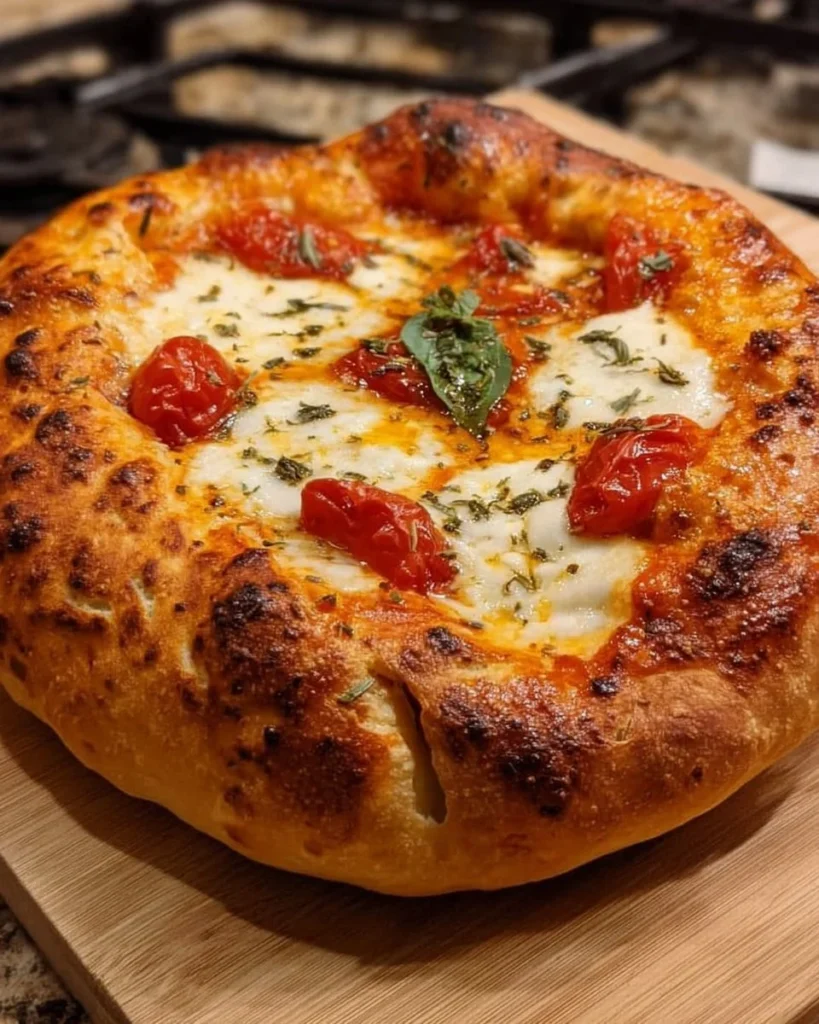

Neapolitan Pizza Dough Recipe
Description
Learn the art of making authentic Neapolitan pizza dough for that perfect crispy yet chewy crust.
Ingredients for Neapolitan Pizza Dough
Main Ingredients
Step-by-Step Instructions
Making the Dough
Activate the Yeast
In a large mixing bowl, mix the lukewarm water with honey until dissolved. Sprinkle the yeast over the top. Let it rest for about 5-10 minutes until it’s foamy.Add the Flour
Gradually stir in about half of the flour. Use your hands or a dough whisk to mix until a shaggy dough forms.Incorporate the Salt
Mix the salt with the remaining flour, then add this mixture slowly to your dough. Combine everything until a rough dough starts to form.Knead the Dough
Knead on low speed with a stand mixer for 8-10 minutes or knead by hand on a floured surface for 15-20 minutes until smooth and elastic.First Rise (Bulk Fermentation)
Lightly oil the mixing bowl. Place your dough ball inside, coating it with oil, and cover it tightly with plastic wrap. Let it rise at room temperature for 2 hours, or for extra flavor, place it in the refrigerator for 24 to 48 hours.Divide and Shape
Gently turn out the dough on a floured surface. Divide it into 4 equal pieces and shape each into a smooth ball.Second Rise (Proofing)
Place the balls on a floured surface or in individual airtight containers, leaving space between them. Cover loosely with plastic wrap or a damp towel. Allow them to rise at room temperature for another 2-4 hours until puffy.Shape and Bake
Finally, shape your dough into perfect pizzas, add your favorite toppings, and bake at high heat, around 900°F if possible.
Nutrition Facts
Servings 4
- Amount Per Serving
- Calories 1500kcal
- % Daily Value *
- Total Fat 10g16%
- Saturated Fat 1g5%
- Trans Fat 0g
- Cholesterol 0mg
- Sodium 500mg21%
- Potassium 200mg6%
- Total Carbohydrate 300g100%
- Dietary Fiber 10g40%
- Sugars 5g
- Protein 50g100%
- Vitamin A 0 IU
- Vitamin C 0 mg
- Calcium 20 mg
- Iron 5 mg
- Vitamin D 0 IU
- Vitamin E 0 IU
- Vitamin K 0 mcg
- Thiamin 0.5 mg
- Riboflavin 0.2 mg
- Niacin 2 mg
- Vitamin B6 0.1 mg
- Folate 30 mcg
- Vitamin B12 0 mcg
- Biotin 0 mcg
- Pantothenic Acid 0.5 mg
- Phosphorus 100 mg
- Iodine 0 mcg
- Magnesium 20 mg
- Zinc 1 mg
- Selenium 0 mcg
- Copper 0 mg
- Manganese 0.5 mg
- Chromium 0 mcg
- Molybdenum 0 mcg
- Chloride 0 mg
* Percent Daily Values are based on a 2,000 calorie diet. Your daily value may be higher or lower depending on your calorie needs.
Note
For best results, use high-quality ingredients and allow for adequate resting and fermentation time.